Discover Georgia's historic second city and the surrounding Imereti region, home to UNESCO monasteries, incredible caves, and a distinct wine culture.
Table of Contents
- 1Kutaisi, one of the oldest continuously inhabited cities in ...
- 2The absolute highlight of any visit to Kutaisi is the Gelati...
- 3The Prometheus Cave, located about 20 kilometers from Kutais...
- 4Sataplia Nature Reserve, located just outside Kutaisi, offer...
- 5The Imereti region surrounding Kutaisi has its own distinct ...
- 6Beyond the major attractions, Kutaisi itself has considerabl...
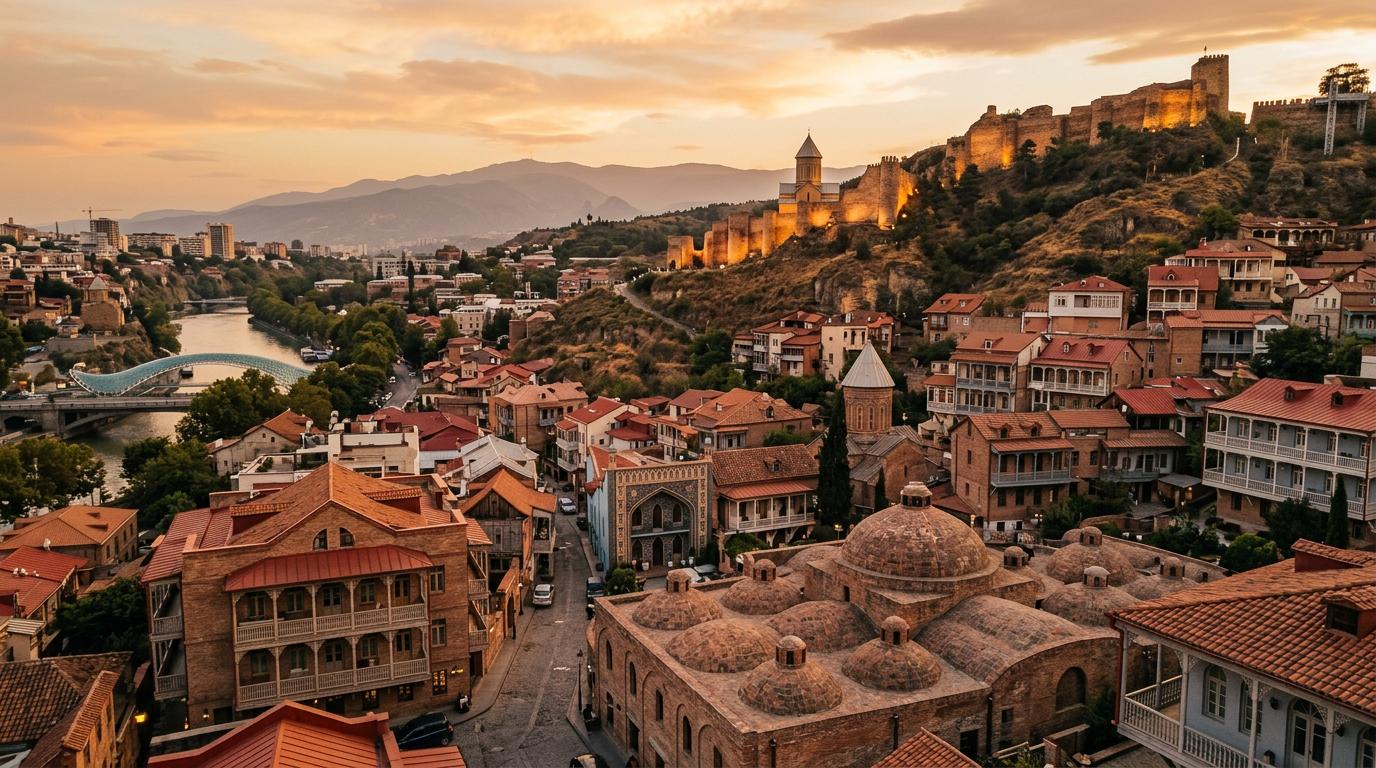
Kutaisi, one of the oldest continuously inhabited cities in the world, serves as the gateway to western Georgia and the Imereti region. For centuries, this charming city on the Rioni River was the capital of various Georgian kingdoms, and today it remains an essential stop on any comprehensive Georgia itinerary. With its international airport offering budget flights from across Europe, Kutaisi has become an increasingly popular entry point for travelers exploring the western half of the country.
The absolute highlight of any visit to Kutaisi is the Gelati Monastery Complex, a UNESCO World Heritage site located just 12 kilometers from the city center. Founded in 1106 by King David the Builder, Gelati was not only a monastery but also an academy of higher learning that attracted scholars from across the Orthodox world. The main Cathedral of the Virgin is a masterpiece of medieval Georgian architecture, with stunning 12th-century frescoes covering nearly every surface of the interior. The fresco of King David the Builder, depicted among the archangels, is one of the most important works of medieval Georgian art.
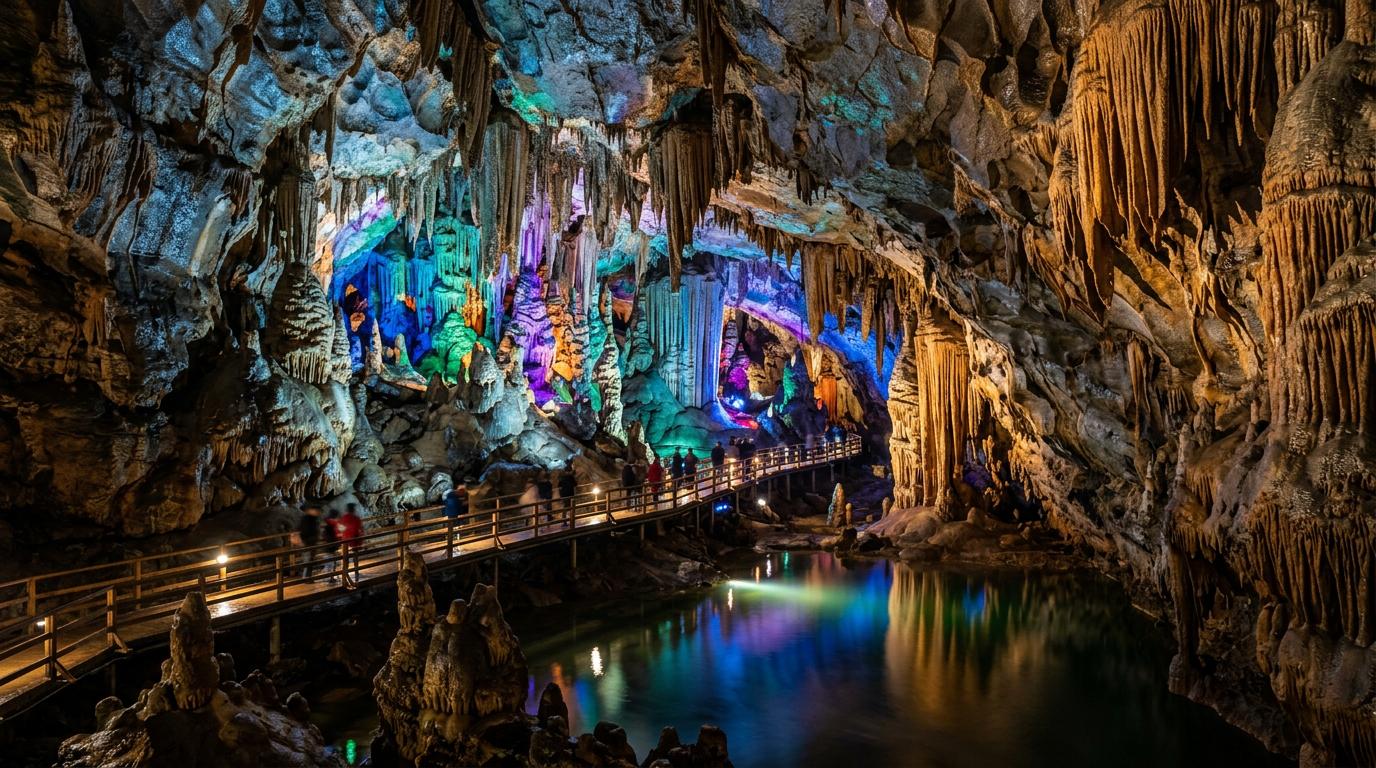
The Prometheus Cave, located about 20 kilometers from Kutaisi, is one of Georgia's most impressive natural attractions. This massive cave system stretches for about 11 kilometers, though only a 1.5-kilometer section is open to visitors. The one-hour guided tour takes you through dramatically lit chambers filled with stalactites, stalagmites, underground rivers, and underground lakes. The highlight is a short boat ride on an underground lake, gliding through the surreal landscape in complete silence. The cave maintains a constant temperature of about 14 degrees Celsius year-round, so bring a jacket even on the hottest summer day.
Sataplia Nature Reserve, located just outside Kutaisi, offers a unique combination of natural and prehistoric attractions. The reserve is famous for its well-preserved dinosaur footprints, discovered in the 1930s and dating back about 120 million years. A glass-bottomed observation pavilion provides dramatic views over the surrounding forest canopy, and several caves can be explored along marked trails. The reserve is also home to a small museum dedicated to the dinosaurs that once roamed this area.
The Imereti region surrounding Kutaisi has its own distinct wine culture that differs significantly from the more famous Kakheti region to the east. Imeretian wines tend to be lighter and fresher, made using a unique qvevri technique where grape skins are removed earlier in the fermentation process. The region is particularly known for its white wines made from Tsitska and Tsolikouri grapes, which produce crisp, aromatic wines perfect for summer drinking. Several family wineries around Kutaisi offer tastings and tours, often combined with traditional Imeretian cuisine.
Beyond the major attractions, Kutaisi itself has considerable charm. The city's historic center features the elegant Bagrati Cathedral, another UNESCO site that dates from the 11th century and offers panoramic views of the city. The bustling Green Bazaar provides an authentic glimpse into daily Georgian life, with vendors selling everything from fresh produce to traditional crafts. The newly renovated White Bridge area along the Rioni River offers pleasant riverside walks and outdoor cafes. With its combination of historical significance, natural wonders, and authentic Georgian atmosphere, Kutaisi and the Imereti region deserve at least three days of exploration.